
Browser games and pointless experiments. Nothing to install.
Browser games and pointless experiments. Nothing to install.
Prove your humanity through absurd challenges
 Flip a CoinHeads or tails? Flip with satisfying animations
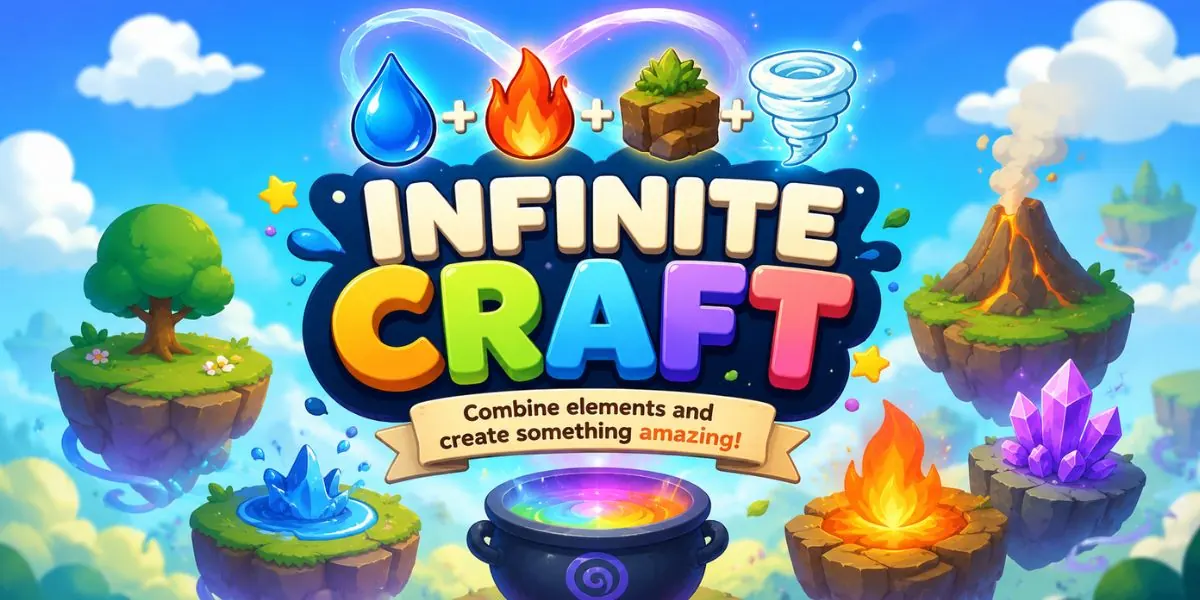 Infinite CraftStart with four elements. See how far it goes
 Roll DiceRoll virtual dice with satisfying animations
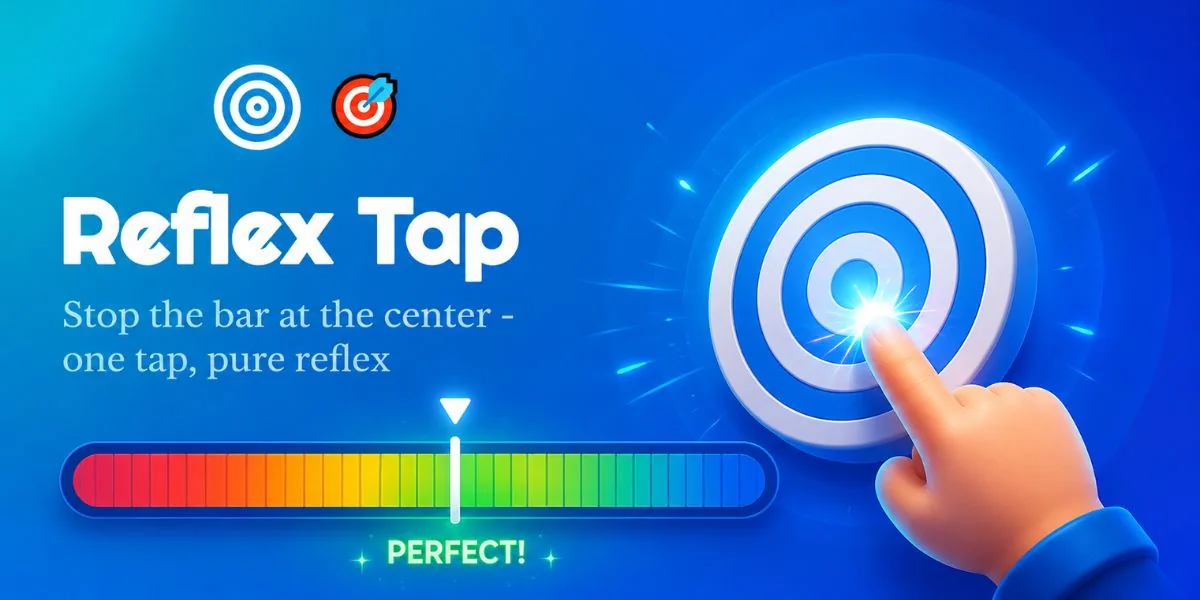 Reflex TapStop the bar at the center - one tap, pure reflex
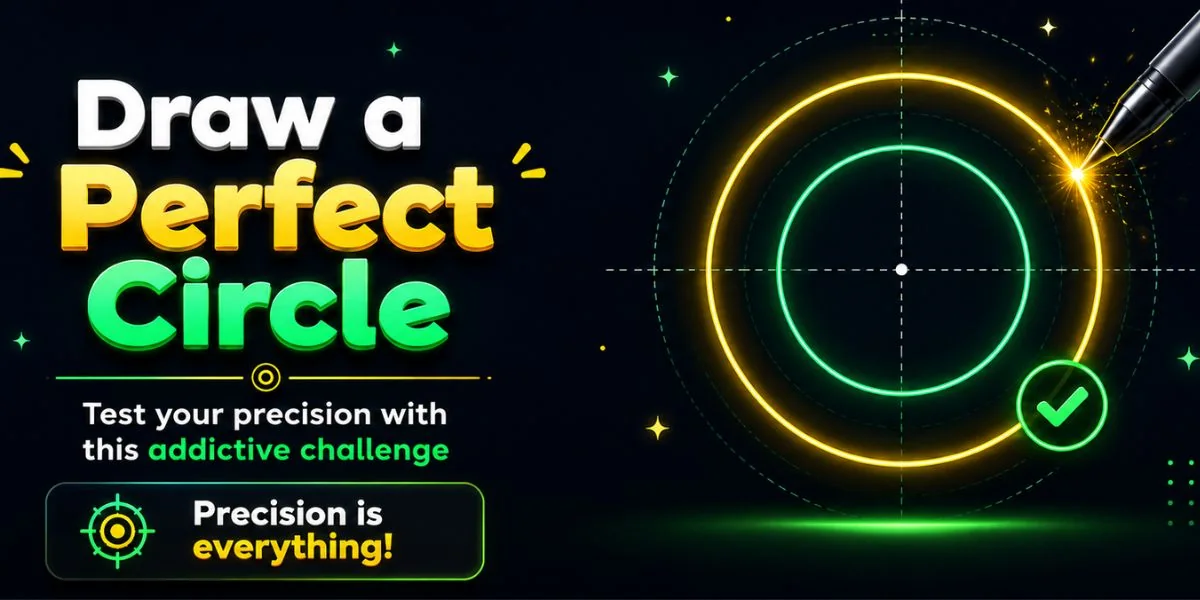 Draw a Perfect CircleOne freehand loop, scored to the percent
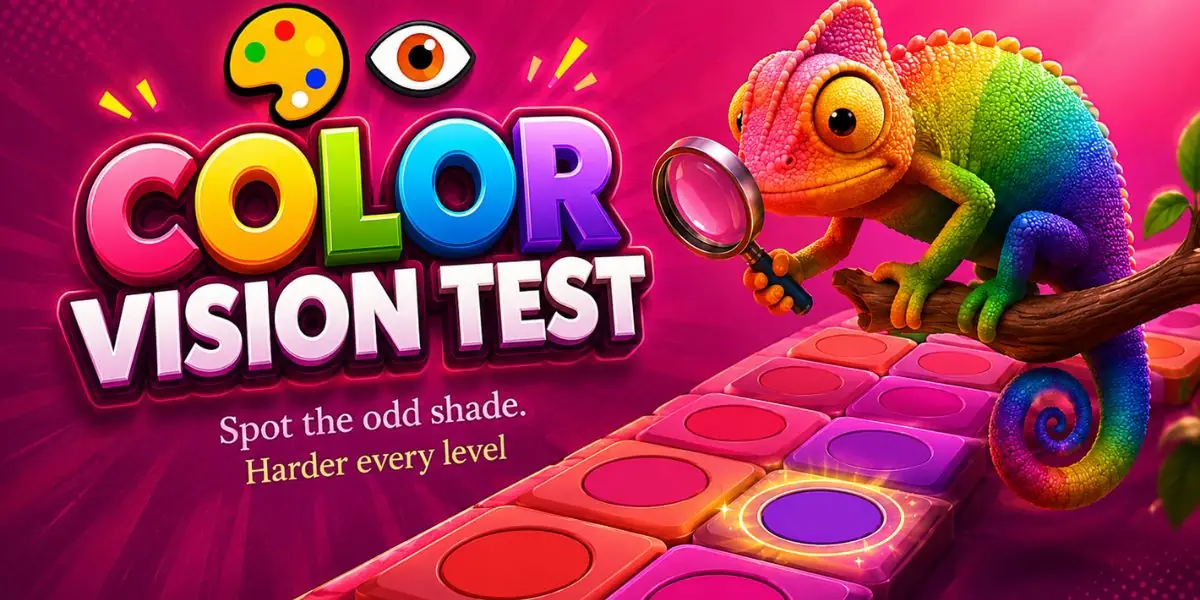 Color Vision TestSpot the odd shade. Harder every level
It starts the way every CAPTCHA does, with a single checkbox asking you to confirm you are human. Then it asks again. Then it asks in a way that no real verification system ever would, and keeps escalating across 21 challenges: image grids, audio puzzles, memory sequences, colour matching, and several that are simply unreasonable.
It is a parody of an experience everyone has had, which is being asked to prove your humanity to a computer and failing. The comedy comes from the escalation. Each challenge is just about plausible on its own, and the sequence is not.
The original CAPTCHA idea came out of Carnegie Mellon around 2000, and the acronym stands for Completely Automated Public Turing test to tell Computers and Humans Apart. The distorted-text version had a genuinely clever second life as reCAPTCHA, which used the words people typed to help digitise old books and newspapers, so millions of humans were unknowingly doing transcription work a few words at a time.
The image grids that replaced them did the same trick for machine learning. Labelling traffic lights, buses and crossings produced training data for computer vision systems, which is why those particular categories kept coming up. The uncomfortable irony is that the tests got harder for humans precisely because the machines got better at them, and modern verification has largely moved on to behavioural signals such as how your cursor moves and how your browser behaves, rather than puzzles at all.
The Password Game does the same thing to password requirements, escalating a familiar irritation until it becomes absurd. Absurd Trolley Problems does it to moral philosophy. All of them are free, run entirely in your browser and need no account.
A parody CAPTCHA game with 21 escalating verification challenges, starting with a simple checkbox and moving through image grids, audio puzzles, memory sequences and several tests that no real system would ever ask of you.
Twenty-one. There is no time limit on any of them, so the difficulty comes from the challenges themselves rather than from pressure.
Completely Automated Public Turing test to tell Computers and Humans Apart. The idea came out of Carnegie Mellon around 2000.
Because labelling those images produced training data for computer vision systems. The earlier text version did the same thing for digitising old books and newspapers, so people were unknowingly doing transcription work a few words at a time.
Because machines keep getting better at solving them. That arms race is why modern verification has largely shifted to behavioural signals, such as how your cursor moves, rather than puzzles.
Yes, with no sign-up and nothing to install. It runs entirely in your browser.